Style transcends mere fashion; it embodies a way of life, a mode of expression that tells the world who you are without uttering a single word. Whether it’s reflected in the clothes you wear, the way you decorate your home, or even how you communicate, style is an integral part of human identity. In modern society, style has evolved from just dictating fashion trends to becoming a significant cultural phenomenon with roots in history and implications for personal identity. The question of what constitutes style is as subjective as the concept itself, yet universally, it serves as a language everyone can speak.
Table of Contents
- My Personal Experience
- Defining Style in Contemporary Context
- The Role of Style in Self-Expression
- Style and Cultural Identity
- Influence of Media on Style
- Style and the Fashion Industry
- Style in Interior Design
- Expert Insight
- Style in Communication and Writing
- Style and Technology
- The Psychological Influence of Style
- Future Trends in Style
- Watch the demonstration video
- Frequently Asked Questions
- Trusted External Sources
My Personal Experience
Growing up, I never really paid much attention to style; I wore whatever was comfortable and practical. But during my sophomore year in college, something shifted. I remember walking into a vintage store with a friend, just to pass the time, and being captivated by a mustard-colored blazer from the 70s. It was bold and completely out of my comfort zone, but I tried it on anyway. To my surprise, it fit perfectly, and for the first time, I felt like my clothes were an extension of my personality. That blazer became a staple in my wardrobe, and it sparked a newfound interest in exploring different styles. I started experimenting with colors and patterns, and soon, I noticed how much more confident I felt. It was as if I had discovered a new way to express myself, and it taught me that style is not just about following trends but about finding what makes you feel like the best version of yourself.
Defining Style in Contemporary Context
Style transcends mere fashion; it embodies a way of life, a mode of expression that tells the world who you are without uttering a single word. Whether it’s reflected in the clothes you wear, the way you decorate your home, or even how you communicate, style is an integral part of human identity. In modern society, style has evolved from just dictating fashion trends to becoming a significant cultural phenomenon with roots in history and implications for personal identity. The question of what constitutes style is as subjective as the concept itself, yet universally, it serves as a language everyone can speak.
Throughout history, style has been used as a tool for different forms of expression and communication. From the brightly colored, flamboyant outfits of the 16th century to the minimalist aesthetic popular today, style gives insight into societal values, economic conditions, and individual creativity. In broader terms, style can manifest in various forms, including visual arts, literature, and music. Each one offers a unique lens through which the essence of an era or an individual can be understood. Thus, comprehending style is not only about recognizing fashion trends but also appreciating a vast spectrum of cultural identities.
The Role of Style in Self-Expression
Self-expression is one of the fundamental roles of style. Clothes, accessories, and even the choice of colors and patterns all contribute to how a person perceives and presents themselves. This personal style acts as a non-verbal communication that can reveal one’s personality, mood, and even one’s life’s philosophy. The importance of style in self-expression lies in its ability to reflect individual uniqueness while simultaneously aligning with collective cultural norms. It’s a balancing act that requires understanding one’s preferences and being aware of the broader societal trends.
Moreover, style is not static; it evolves as individuals grow and change over time. What one might have considered stylish and representative of themselves in their teenage years might be vastly different from their style in adulthood. This transformation often mirrors personal growth and changes in lifestyle, responsibilities, and sometimes, geographical locations. A person’s style can serve as a timeline of their life’s journey, with each phase characterized by different tastes and influences. Thus, embracing one’s current style means acknowledging and celebrating this personal evolution.
Style and Cultural Identity
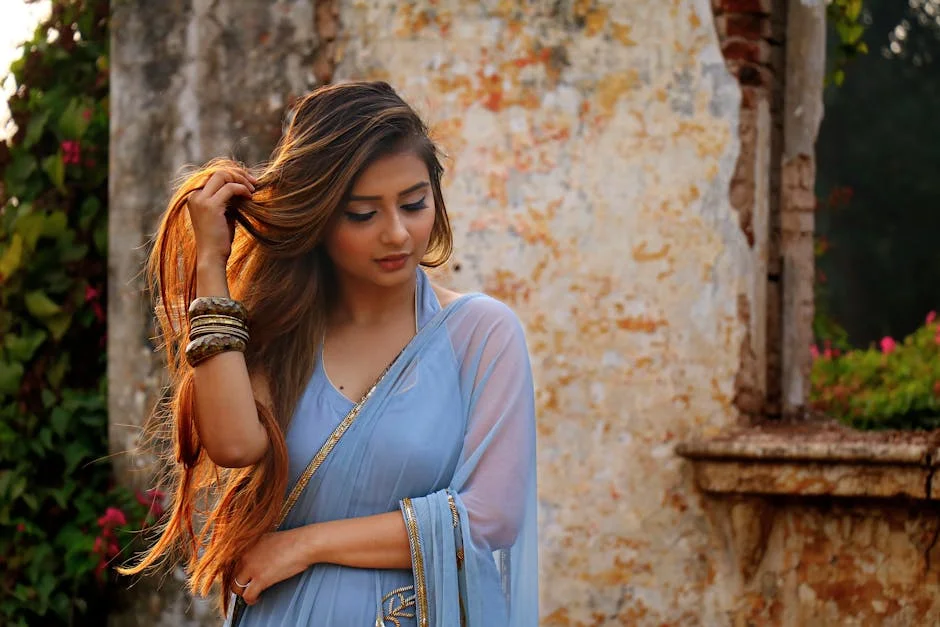
Culture and style are inextricably linked, with each influencing the other profoundly. Traditional garments and ethnic designs form a significant component of cultural identity, providing a visual narrative of heritage and history. Whether it’s the vibrant saris of India, the intricate kimonos of Japan, or the vivid dashikis of West Africa, these traditional outfits are more than mere clothing. They are symbols of cultural pride and identity, often worn to celebrate special occasions or assert one’s roots amid globalization.
In the realm of cultural exchanges, style serves as a medium of understanding and appreciating diversity. With increasing exposure to different cultures through travel, media, and the internet, style has become a melting pot of global influences. Designers and fashion enthusiasts draw inspiration from a variety of sources, leading to a fusion of styles that reflect a world that is more interconnected than ever before. This cross-cultural exchange enriches the global fashion landscape, making style a vibrant and dynamic form of cultural expression.
Influence of Media on Style
The media plays a pivotal role in shaping public perceptions of style. Fashion magazines, television, movies, and, more recently, social media platforms like Instagram and Pinterest, serve as channels through which style trends are broadcasted and consumed globally. Celebrities, influencers, and fashion icons often set the tone for what’s deemed stylish, with their choices quickly sparking widespread emulation and sometimes, commercial production.
However, this media-driven style also presents challenges. With millions of people looking up to a select few for inspiration, the diversity of personal style can sometimes be overshadowed by the homogenization of trends. Despite this, media exposure can also empower individuals by providing them with a plethora of styles from which to draw inspiration. When balanced thoughtfully, media influences can encourage people to experiment with their style while maintaining a sense of individuality.
Style and the Fashion Industry
The fashion industry is a powerful force in defining and disseminating style. Designers, brands, and retailers all play crucial roles in setting the stage for global style trends, impacting not only what people wear but also how they perceive style. Fashion weeks held in cities like Paris, Milan, and New York are major events that showcase the latest in design innovation, often dictating the trends that will dominate the following season in ready-to-wear collections.
Yet, the fashion industry is not without its challenges. Concerns about sustainability, ethical production, and inclusivity have prompted a rethinking of what style means in the modern world. There is a growing demand for fashion that not only looks good but also aligns with values like environmental responsibility and social justice. This shift has led to the emergence of slow fashion—a movement that emphasizes quality over quantity, timeless designs, and the mindful consumption of clothing. As the industry evolves, so too does the concept of style, adapting to meet the requirements of a more conscious consumer base.
Style in Interior Design
Style extends beyond personal attire to include interior design—a field that allows individuals to express themselves through their living spaces. Interior design styles range from minimalist and contemporary to bohemian and vintage, each bringing its own aesthetic and functional value. The style of a home’s interior is a reflection of the occupant’s tastes, preferences, and lifestyle, transforming a living space into a personalized sanctuary.
| Feature | Elegant Style | Modern Style | Casual Style |
|---|---|---|---|
| Color Palette | Pastels and Neutrals | Bold and Bright | Earthy and Muted |
| Materials | Silk and Velvet | Metal and Glass | Cotton and Denim |
| Patterns | Floral and Paisley | Geometric and Abstract | Stripes and Plaids |
Expert Insight
To elevate your personal style, start by understanding your body type and choosing clothing that complements your shape. This means investing in pieces that highlight your best features and provide a balanced silhouette. Don’t shy away from trying different cuts and fits to find what works best for you. Remember, confidence is key, and wearing clothes that fit well will naturally boost your self-assurance.
Another essential tip is to develop a signature look that reflects your personality. This could be a specific color palette, a go-to accessory, or a unique combination of textures and patterns. By consistently incorporating these elements into your wardrobe, you create a cohesive style that is distinctly yours. Experiment with different styles to find what resonates with you, and don’t be afraid to update your look as you evolve.
The choice of colors, furniture, layout, and even small decor elements like art and textiles, collectively contribute to the overall style of a home. This space becomes an extension of personal style, often influenced by factors such as geographic location, cultural background, and practical needs. For instance, a coastal home might embrace a nautical style with blues and whites, while an urban apartment might lean towards industrial chic with exposed brick and metal accents. The beauty of interior design lies in its versatility, offering endless possibilities for personal expression through style.
Style in Communication and Writing
Style is not confined to the visual and tactile realms; it permeates the way we communicate as well. Writing style, for example, is an author’s unique way of expressing ideas and emotions through text. It encompasses choices in tone, diction, sentence structure, and even rhythm. Just as fashion trends change, so too do trends in writing styles, influenced by cultural shifts, technological advances, and shifts in audience expectations.
An author’s style is often what distinguishes them from others, creating a voice that readers can identify and connect with. Whether writing in a formal, academic tone or an informal, conversational one, the style serves as a bridge between the author and the audience, facilitating understanding and engagement. In a digital age where written communication is prevalent, understanding and developing a writing style is crucial for effective expression and influence.
Style and Technology
Technology has revolutionized the way style is perceived and propagated. From digital fashion shows to virtual dressing rooms, technological advancements have reshaped how style is experienced and consumed. Online platforms and e-commerce have made fashion more accessible than ever, allowing people to explore and adopt styles from all over the world with just a few clicks.
Additionally, technology has introduced new dimensions to style through the use of virtual and augmented reality. These technologies enable individuals to visualize style choices in real-time, experimenting with different looks without the need for physical trial and error. This innovation has not only enhanced the consumer experience but also encouraged creativity and personalization in style choices. As technology continues to evolve, it will undoubtedly continue to influence and redefine the landscape of style in unforeseen ways.
The Psychological Influence of Style
Style has a profound impact on psychology, affecting how individuals perceive themselves and how they are perceived by others. The clothes a person wears can significantly influence their confidence levels and mood. For many, style serves as a form of self-care, a means of boosting self-esteem and assertiveness through thoughtful attire. Psychologically, style can act as armor or a form of self-empowerment, reinforcing the wearer’s self-image and societal role.
Moreover, the psychology of style extends to how individuals judge others. First impressions are often influenced by style, with attire and grooming impacting assumptions about a person’s character, professionalism, and competence. While these judgments can sometimes be misleading, they underscore the powerful role of style in social interactions. Understanding the psychological aspects of style can encourage more mindful fashion choices, as individuals become more aware of the messages their style conveys to the world.
Future Trends in Style
The future of style is poised for exciting developments, driven by a combination of technological innovation, cultural shifts, and changing consumer values. Sustainability will likely continue to play a pivotal role, with a growing emphasis on eco-friendly materials, ethical production practices, and circular fashion models that prioritize recycling and upcycling. This focus is expected to produce new textiles and design techniques that redefine what sustainable style looks and feels like.
Additionally, personalization and customization are set to become increasingly prominent in the style landscape. The use of artificial intelligence and data analytics allows for personalized shopping experiences, where consumers receive style recommendations tailored to their preferences and past behavior. This trend towards customization empowers individuals to create truly unique styles that reflect their identities and values. As these trends unfold, they promise to broaden the definition of style, making it more inclusive, diverse, and individual-centric than ever before.
In conclusion, the concept of style encompasses a multitude of elements across fashion, culture, and personal expression. It is an ever-evolving phenomenon that adapts to the times while preserving individuality and cultural heritage. As society continues to transform, so too will the ways in which people interpret and express style, ensuring that it remains an integral part of human identity and creativity. Embracing one’s unique style is not only a form of self-expression but also a celebration of the diverse ways in which people present themselves to the world.
Watch the demonstration video
In this video, viewers will discover the essentials of personal style, exploring how to develop a unique fashion sense that reflects individuality. Learn about the key elements of style, including color coordination, wardrobe essentials, and accessorizing techniques, to enhance your confidence and presence in any setting.
Summary
In summary, “style” is a crucial topic that deserves thoughtful consideration. We hope this article has provided you with a comprehensive understanding to help you make better decisions.
Frequently Asked Questions
What are the main fashion styles?
The main fashion styles include classic, bohemian, casual, chic, streetwear, and vintage.
How can I find my personal style?
To find your personal style, explore different styles, consider your lifestyle, take inspiration from fashion icons, and experiment with different outfits.
What is considered classic style?
Classic style focuses on timeless pieces, neutral colors, and simple, elegant silhouettes that never go out of fashion.
How can I incorporate trends into my style?
Incorporate trends by adding trendy accessories or statement pieces while keeping the rest of your outfit classic or neutral.
What is the difference between style and fashion?
Fashion refers to the current trends and styles promoted by the fashion industry, while style is a personal way of expressing oneself through clothing.
How does personal style evolve over time?
Personal style evolves with changes in lifestyle, interests, and personal growth, often influenced by cultural, social, and environmental factors.
📢 Looking for more info about style? Follow Our Site for updates and tips!

Trusted External Sources
- Taylor Swift – Style – YouTube
Feb 13, 2015 … Music video by Taylor Swift performing Style. (C) 2015 Taylor Swift. Stream/download ‘The Life of a Showgirl’ …
- APA Style
APA Style is the world’s most widely used writing style, helping writers across disciplines achieve concise, powerful, and persuasive scholarly communication.