The concept of tone in communication plays a critical role in how messages are perceived and understood. It extends beyond mere words; it encompasses the attitude and emotion a speaker or writer conveys. Tone can be formal, informal, serious, playful, or anything in between, depending on the context and the desired response from the audience. Recognizing and controlling tone is essential for effective communication, whether in written or verbal form. When we talk about tone, we are essentially discussing the writer’s or speaker’s attitude towards the subject and their audience. This also includes the mood they aim to evoke, which can significantly influence the interaction’s outcome.
Table of Contents
- My Personal Experience
- Understanding Tone in Communication
- The Role of Tone in Written Communication
- Impact of Tone in Verbal Communication
- Influence of Tone in Public Speaking
- The Psychological Effects of Tone
- Applying Tone in Digital Communication
- Expert Insight
- The Effect of Tone in Literature
- Role of Tone in Music
- Tone in Visual Arts
- Improving Communication Skills Through Tone
- Watch the demonstration video
- Frequently Asked Questions
- Trusted External Sources
My Personal Experience
Last year, I had an eye-opening experience about the power of tone while volunteering at a local community center. I was tasked with organizing a workshop for teenagers, and I was eager to connect with them. However, during my first session, I noticed that despite my enthusiasm, the group seemed disengaged. It wasn’t until a colleague pointed out that my overly cheerful tone might come off as insincere that I realized the issue. The next session, I adopted a more genuine and conversational tone, and the change was remarkable. The teens were more responsive and open, and it taught me that sometimes, the way you say something can be just as important as what you say.
Understanding Tone in Communication
The concept of tone in communication plays a critical role in how messages are perceived and understood. It extends beyond mere words; it encompasses the attitude and emotion a speaker or writer conveys. Tone can be formal, informal, serious, playful, or anything in between, depending on the context and the desired response from the audience. Recognizing and controlling tone is essential for effective communication, whether in written or verbal form. When we talk about tone, we are essentially discussing the writer’s or speaker’s attitude towards the subject and their audience. This also includes the mood they aim to evoke, which can significantly influence the interaction’s outcome.
A misaligned tone can lead to misunderstandings, making it a critical component to master in areas ranging from personal relationships to marketing strategies. For instance, a humorous tone may be appropriate and engaging in a casual setting but inappropriate in a professional or serious context. Understanding the nuances of tone helps in crafting messages that resonate with the intended audience. Identifying the right tone requires a keen awareness of the audience’s expectations, cultural backgrounds, and the situation’s context. These elements must be harmonized to create a tone that enhances the message rather than detracting from it.
The Role of Tone in Written Communication
In written communication, tone becomes even more important due to the absence of verbal cues such as intonation and body language. The writer must rely solely on word choice, sentence structure, and punctuation to convey the desired tone. A formal tone is often marked by complex sentence structures and a lack of contractions, whereas an informal tone might include conversational language and even colloquialisms. The choice of words can significantly impact the perceived tone, with synonyms offering subtle shifts. For instance, choosing “assist” over “help” may convey a more formal tone.
Punctuation also plays a crucial role in conveying tone. Consider the difference between “Thank you!” and “Thank you.” The exclamation mark adds enthusiasm, suggesting a warmer, more appreciative tone. Similarly, the use of ellipses can imply hesitation or trailing thoughts, affecting the overall tone. Additionally, the strategic use of rhetorical questions can engage the reader and shift the tone from explanatory to contemplative, encouraging deeper engagement with the text. These nuances in writing demonstrate how subtle adjustments can affect the reader’s perception and understanding of the message.
Impact of Tone in Verbal Communication
Tone in verbal communication is conveyed not only through the words chosen but also through the speaker’s voice, including pitch, volume, pace, and inflection. These elements can dramatically alter the meaning of a message. For example, stating “I’m not sure I agree” with a rising intonation can sound open to discussion, while a flat or descending intonation might come across as dismissive. This highlights the importance of alignment between verbal tone and the intended message to avoid miscommunication.
Cultural differences can also influence how tone is perceived in verbal exchanges. What might be considered a friendly tone in one culture could be perceived as disrespectful in another. Thus, understanding cultural nuances is vital for effective global communication. Practicing active listening and being aware of one’s own vocal habits can help in adjusting tone to suit the context and audience. Additionally, non-verbal cues such as gestures and facial expressions can complement verbal tone, reinforcing the message or adding additional layers of meaning.
Influence of Tone in Public Speaking
In public speaking, tone sets the stage for the audience’s response and engagement level. A speaker’s tone can either captivate or alienate the audience, making it a powerful tool in delivering impactful speeches. Choosing the right tone involves considering the audience’s expectations, the speech’s purpose, and the context of the event. A tone that is too casual in a formal setting can detract from the speaker’s credibility, whereas an overly formal tone in an informal gathering might seem out of touch.
Public speakers often use varied tones throughout their presentation to maintain interest and emphasize key points. A confident and enthusiastic tone can be employed to convey passion and inspire action, while a calm, measured tone might be used to discuss complex issues or data, helping the audience to process the information. Furthermore, pauses and changes in tone can be strategically used to emphasize important messages and provide the audience with space to reflect on the subject matter. These techniques are central to effective public speaking and engaging an audience successfully.
The Psychological Effects of Tone
The psychological effects of tone on both the communicator and the audience are profound. Tone can evoke a wide range of emotions, from joy and excitement to anger and sadness. This emotional resonance can influence the audience’s perception of the message and their subsequent actions. For instance, a supportive and encouraging tone can boost the listener’s confidence and motivate them to act, while a critical or harsh tone might lead to defensiveness or withdrawal.
Furthermore, the tone can influence the communicator’s mindset and emotional state. Adopting a positive tone can uplift the speaker’s mood and foster a more engaging interaction. It also affects the trust and rapport between the communicator and the audience. A consistent tone that aligns with the communicator’s values and the message increases credibility and builds trust over time. In contrast, a dissonant tone can create confusion and mistrust, undermining the effectiveness of the communication.
Applying Tone in Digital Communication
In the digital age, tone takes on unique challenges and opportunities, particularly in platforms where communication is often brief and rapid. Text messages, emails, and social media posts require careful consideration of tone due to the lack of vocal inflection and physical presence. Emojis and gifs can supplement tone, adding context that simple text may fail to convey. However, they must be used judiciously to maintain professionalism and avoid misinterpretation.
| Aspect | Formal Tone | Informal Tone |
|---|---|---|
| Sentence Structure | Complex, long sentences | Simple, short sentences |
| Vocabulary | Advanced, technical terms | Casual, everyday language |
| Emotion | Neutral, objective | Expressive, subjective |
Expert Insight
To effectively convey your message, it’s crucial to match the tone of your writing with your audience’s expectations. Start by considering who your readers are and what they value. Are they looking for a formal, authoritative voice, or do they prefer a casual, conversational style? Understanding your audience will guide your choice of words, sentence structure, and overall approach, ensuring your message resonates and engages effectively.
Another key aspect of tone is consistency throughout your piece. Once you’ve established the appropriate tone, maintain it from beginning to end. This creates a cohesive reading experience and reinforces your credibility. If your tone fluctuates, it can confuse or alienate your readers. Regularly review your work to ensure that the tone remains steady, and make adjustments as needed to align with your intended message and audience expectations.
In emails, tone can determine the message’s reception; a curt tone may come across as rude or demanding, while a warm and polite tone can foster goodwill and positive relationships. Clarity and conciseness are essential, but tone should not be sacrificed for brevity. The same principles apply to social media, where tone can influence brand perception and customer engagement. Crafting a tone that reflects the brand’s personality and values while resonating with the audience is essential for building a strong online presence.
The Effect of Tone in Literature
In literature, tone enhances storytelling by providing insight into characters’ motivations and the narrative’s emotional landscape. Authors use tone to set the scene and immerse readers in the story’s world. The tone can shift throughout a narrative to reflect changes in mood or plot, guiding readers’ emotional responses and deepening their connection to the characters and themes.
Authors achieve tonal shifts through diction, imagery, and syntax. For example, a somber tone might be crafted through descriptive language that emphasizes shadows and silence, evoking feelings of melancholy or foreboding. In contrast, a lighthearted or comedic tone might employ playful language and witty dialogue, creating an atmosphere of levity. This dynamic use of tone not only enriches the narrative but also offers readers a more nuanced understanding of the story’s underlying messages and themes.
Role of Tone in Music
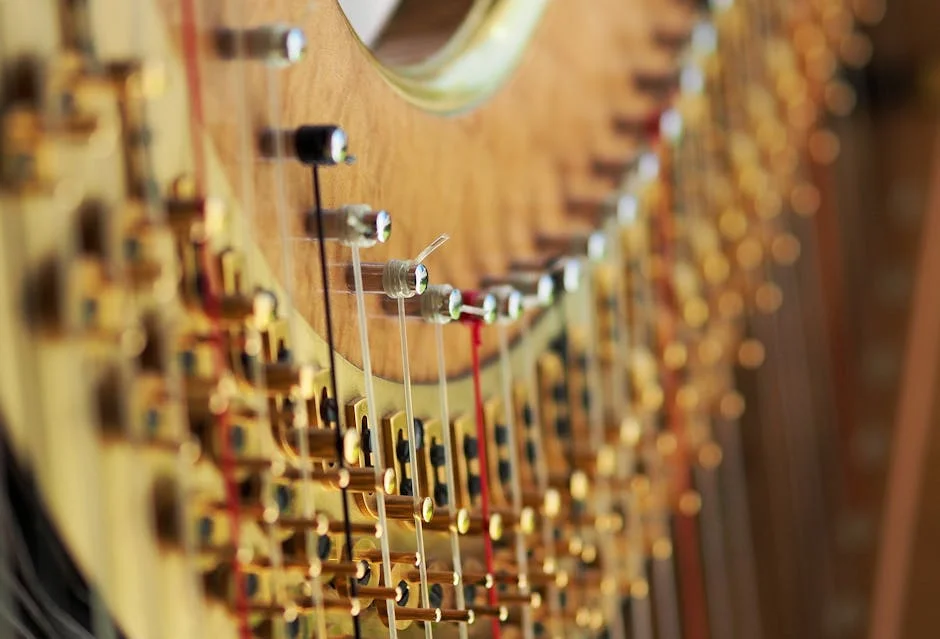
Tone in music is an integral aspect that shapes the listener’s experience. It determines the mood and emotional impact of a piece, influencing how it is perceived and interpreted. Musicians manipulate tone through elements such as pitch, tempo, and dynamics, creating a wide array of emotional landscapes. A soft, slow melody can evoke feelings of serenity and introspection, while a fast, upbeat tempo might inspire excitement and joy.
The tone of music can also be influenced by instrumentation and arrangement. The choice of instruments, whether string, wind, or percussion, and their interplay contribute to the overall tonal quality. Composers and performers use these tools to convey specific emotions and themes, crafting a narrative that resonates with listeners on a personal level. The tone in music transcends language, offering a universal form of expression that connects people across cultures and experiences.
Tone in Visual Arts
In visual arts, tone refers to the lightness or darkness of a color, which contributes to the overall mood and atmosphere of the artwork. Artists skillfully use tone to create depth, focus attention, and evoke emotions. The contrast between tones can highlight certain elements within a piece, guiding the viewer’s eye and enhancing the narrative.
The tonal composition is vital in conveying the artist’s intended message and emotional impact. A high-contrast piece with starkly different tones can evoke a sense of drama or tension, while subtle tonal variations might create a sense of harmony and tranquility. Understanding the interplay of light and shadow, artists manipulate tone to craft visual stories that engage and move audiences. This mastery of tone in visual arts demonstrates its power in shaping perception and emotional engagement.
Improving Communication Skills Through Tone
Mastering tone is essential for enhancing overall communication skills. By developing an awareness of how tone influences interactions, individuals can tailor their communication to be more effective and impactful. This involves actively listening and observing how tone affects others, adjusting one’s style to suit different contexts and audiences.
Improving tone in communication requires practice and feedback. Engaging in conversations with diverse groups helps in understanding how different tones are received and interpreted. Seeking feedback from peers and mentors can provide insights into areas of improvement. Additionally, mindfulness techniques can aid in maintaining an appropriate tone, especially in high-pressure or emotionally charged situations. By honing tone-related skills, communicators become more adept at fostering meaningful connections and achieving desired outcomes, thus reinforcing the importance of tone in every aspect of interaction.
Watch the demonstration video
In this video, viewers will explore the nuances of tone, understanding how it shapes communication and influences perception. Learn to identify different tones, their impact on messages, and how to effectively use tone to convey emotions and intentions, enhancing both personal and professional interactions.
Summary
In summary, “tone” is a crucial topic that deserves thoughtful consideration. We hope this article has provided you with a comprehensive understanding to help you make better decisions.
Frequently Asked Questions
What is tone in writing?
Tone in writing refers to the author’s attitude toward the subject and the audience, conveyed through word choice and style.
How does tone affect a reader?
Tone affects a reader’s emotions and helps set the mood, influencing how they perceive and interpret the text.
Can tone change within a piece of writing?
Yes, tone can change within a piece of writing to reflect shifts in mood, perspective, or subject matter.
How can you identify the tone of a text?
You can identify tone by analyzing word choice, sentence structure, and the overall mood and emotion conveyed.
What is the difference between tone and mood?
Tone is the author’s attitude conveyed through writing, while mood is the emotional response the text evokes in the reader.
Why is tone important in communication?
Tone is important because it helps convey the intended message and can affect how the audience receives and understands it.
📢 Looking for more info about tone? Follow Our Site for updates and tips!

Trusted External Sources
- TONE by AMP | New Era of Personal Care – Deodorant, Lotion & Lip …
TONE, by AMP creators Kai Cenat, Duke Dennis, Fanum, Agent, Davis, and Chris, offers personal care products crafted with natural ingredients and iconic …
- TONE products at Target
Shop Tone body wash and skincare at Target for refreshing scents and quality ingredients that nourish your skin. Free shipping on orders $35+.
- TONE Definition & Meaning – Merriam-Webster
1. vocal or musical sound of a specific quality; spoke in low tones; masculine tones; especially : musical sound with respect to timbre and manner of …
- Tone Stith (@tonestith) • Instagram photos and videos
281K followers · 2.3K+ following · 84 posts · @tonestith: “My new single “FLY” is out now!!! Link In My Bio!”
- tone() | Arduino Documentation
Apr 29, 2025 … Generates a square wave of the specified frequency (and 50% duty cycle) on a pin. A duration can be specified, otherwise the wave continues until a call to … If you’re looking for tone, this is your best choice.