Scanning is a pivotal technology that transforms physical documents and items into digital formats, revolutionizing how we store, share, and analyze information. This process involves the use of various devices that capture images, texts, and even three-dimensional objects, converting them into a digital format that can be easily accessed and manipulated on computers and other digital devices. The evolution of scanning technology has brought about significant changes in numerous sectors, including healthcare, education, business, and art, enhancing efficiency and accessibility.
Table of Contents
- My Personal Experience
- Introduction to Scanning Technology
- The Historical Evolution of Scanning
- Types of Scanning Devices
- Impact of Scanning in the Business World
- Healthcare Innovations Through Scanning
- Educational Applications of Scanning
- Expert Insight
- Advancements in 3D Scanning
- Understanding Optical Character Recognition (OCR)
- Security Considerations in Scanning Technology
- Future Prospects of Scanning Technology
- Watch the demonstration video
- Frequently Asked Questions
- Trusted External Sources
My Personal Experience
Last week, I found myself in the attic, dusting off boxes of old family photos. As I flipped through the faded prints, I realized how fragile these memories were. Determined to preserve them, I decided to scan each photo. Setting up the scanner on the dining table, I spent the afternoon carefully placing each picture under the glass. With every scan, I watched as the images transformed into digital files, ensuring they would be safe from the wear of time. It was a tedious process, but seeing my grandparents’ wedding photo appear on the screen, vibrant and clear, made it all worthwhile. Now, not only are these memories preserved, but I can share them easily with family scattered across the country. If you’re looking for scanning, this is your best choice.
Introduction to Scanning Technology
Scanning is a pivotal technology that transforms physical documents and items into digital formats, revolutionizing how we store, share, and analyze information. This process involves the use of various devices that capture images, texts, and even three-dimensional objects, converting them into a digital format that can be easily accessed and manipulated on computers and other digital devices. The evolution of scanning technology has brought about significant changes in numerous sectors, including healthcare, education, business, and art, enhancing efficiency and accessibility.
Originally developed for data storage and transfer, scanning technologies have expanded far beyond their initial applications. With advancements in optical character recognition (OCR), three-dimensional scanning, and high-resolution imaging, scanning is no longer just about digitizing paper documents. Today, it encompasses a broad spectrum of applications that facilitate data collection and analysis in fields like medicine, where 3D scanning is vital for creating models for surgery planning, and in manufacturing, where precision scans are crucial for quality control and prototyping. The innovation within this field continues to drive technological progress, altering how information is captured and utilized across different industries.
The Historical Evolution of Scanning
The history of scanning can be traced back to the early 20th century, with the development of the first mechanical devices designed to convert printed text to digital data. The advent of scanning technology began with the invention of facsimile machines, which were initially developed to send copies of documents over a distance using telegraph lines. These early devices laid the groundwork for modern scanning by demonstrating the potential for converting physical documents into transmissible data formats.
As technology progressed, the 1970s saw the introduction of the first flatbed scanners, which made it possible to create digital images of documents. This development marked a turning point, as it allowed for more widespread usage of digital documents and sparked the growth of the desktop publishing revolution. The 1980s and 90s ushered in significant advancements with the improvement of resolution and color fidelity, enabling the creation of high-quality digital reproductions. The integration of optical character recognition (OCR) further expanded the capabilities of scanning, allowing for the conversion of images into editable text, thus significantly enhancing the utility of digitized documents. Today, scanning technology continues to evolve, with innovations in speed, quality, and applications continually transforming how we interact with information.
Types of Scanning Devices
Scanning devices have diversified considerably, each designed for specific applications and offering unique functionalities. The most common types of scanners include flatbed, sheet-fed, handheld, and drum scanners, each serving different needs within various sectors. Flatbed scanners are perhaps the most recognizable, characterized by their ability to scan documents and objects placed on a flat glass surface. These scanners are versatile and widely used in homes and offices for digitizing documents and photos with high precision and color accuracy.
Sheet-fed scanners, on the other hand, are designed for efficiency, capable of scanning multiple pages in succession through an automatic document feeder. This type of scanner is ideal for businesses that require rapid processing of large volumes of documents. Handheld scanners provide portability and convenience, allowing users to scan documents and images on-the-go. They are particularly useful for capturing text and images from books or materials that cannot be easily placed on a flatbed scanner. Drum scanners, although less common, are used in professional environments that demand superior image quality. They employ photomultiplier tubes to capture images with exceptional detail, making them suitable for high-end image reproduction and archiving.
Impact of Scanning in the Business World
In the business world, scanning technology has become an indispensable tool for streamlining processes, improving efficiency, and reducing operational costs. By digitizing documents, businesses can significantly cut down on the physical storage space required for paper records, while also enhancing the security and accessibility of important documents. Digitized documents can be easily stored, searched, and retrieved, facilitating better document management and reducing the time spent on manual filing and searching.
The integration of scanning with document management systems allows for automated workflows, where scanned documents are automatically indexed and distributed to relevant departments or personnel. This automation reduces manual handling errors and accelerates the flow of information within an organization. Additionally, scanning enables businesses to implement paperless initiatives, which not only contribute to environmental sustainability but also promote a modern and efficient working environment. Enhanced security features, such as encryption and secure access protocols, ensure that sensitive information remains protected, while the ability to create backups of digital documents ensures data preservation and disaster recovery capabilities.
Healthcare Innovations Through Scanning
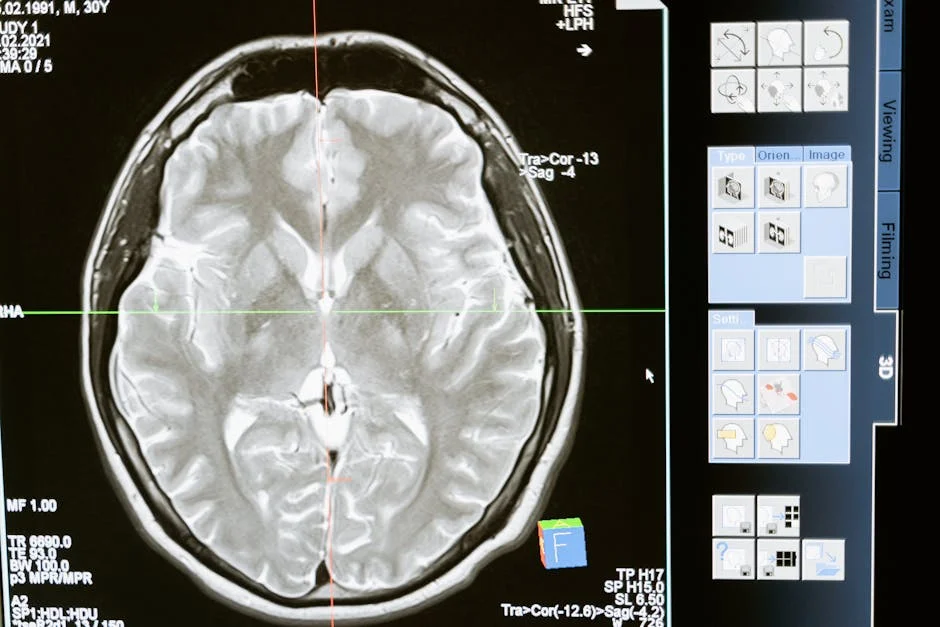
In the healthcare sector, scanning technology plays a critical role in improving patient care and medical research. The use of advanced imaging techniques, such as MRI and CT scans, allows medical professionals to obtain detailed images of a patient’s internal structures, aiding in accurate diagnosis and treatment planning. These imaging modalities rely on sophisticated scanning technology to produce high-resolution images, which are crucial for identifying abnormalities and monitoring the progression of diseases.
Furthermore, 3D scanning has opened new avenues in surgery and rehabilitation. Surgeons can utilize 3D models of a patient’s anatomy to plan complex surgical procedures with greater precision, reducing the risk of complications and improving surgical outcomes. In rehabilitation, 3D scanning is used to create custom prosthetics and orthotics, tailored to the unique physiology of each patient, thereby enhancing comfort and functionality. The digitization of medical records through scanning also improves data accessibility and sharing, allowing healthcare providers to collaborate more effectively and provide holistic care.
Educational Applications of Scanning
In educational settings, scanning technology facilitates the accessibility and dissemination of information. Libraries have embraced scanning to digitize books and academic journals, making them available online and greatly expanding the reach of their collections. This digitization effort supports distance learning and provides students and educators with convenient access to a vast array of resources from anywhere in the world.
| Type | Benefits | Limitations |
|---|---|---|
| Flatbed Scanning | High quality, suitable for fragile documents | Bulky, slower |
| Sheet-fed Scanning | Fast, good for bulk documents | Risk of paper jams, less suitable for delicate items |
| Handheld Scanning | Portable, easy to use in tight spaces | Lower resolution, user-dependent accuracy |
Expert Insight
To enhance your scanning skills, focus on identifying key information by looking for headings, subheadings, and bullet points. These elements often highlight the most important parts of a text, allowing you to quickly grasp the main ideas without getting bogged down in details. Practice this technique by scanning articles or reports and summarizing the main points in your own words.
Another effective strategy is to train your eyes to move swiftly across the page. Use a finger or a pen to guide your eyes, which can help maintain a steady pace and prevent backtracking. This method not only speeds up the scanning process but also improves concentration, ensuring you capture essential information efficiently.
Moreover, scanning technology supports the preservation of rare and fragile texts, ensuring that valuable historical documents are not lost to degradation over time. In the classroom, scanning is used to convert handwritten notes into digital formats, aiding in organization and allowing for easy sharing among students and teachers. The integration of scanning with educational software also enables the creation of interactive learning experiences, where scanned documents and images can be used as part of multimedia presentations and e-learning platforms, enriching the educational experience and fostering engagement.
Advancements in 3D Scanning
3D scanning represents one of the most exciting advancements in scanning technology, with its ability to capture the shape and appearance of objects in three dimensions. This technology has found applications in numerous fields, including manufacturing, where it is used for quality control and reverse engineering. By creating highly accurate models of objects, manufacturers can detect defects, ensure precision in production, and even redesign parts to improve performance and efficiency.
In the creative industries, 3D scanning is revolutionizing art and design by enabling artists to create digital replicas of physical objects, which can then be modified and reproduced using 3D printing. Architects and designers also leverage 3D scanning to visualize spaces and structures, aiding in the planning and design process. The detailed models produced by 3D scanning are invaluable for creating virtual simulations and walkthroughs, allowing clients and stakeholders to experience a space before construction begins, thereby enhancing decision-making and reducing errors.
Understanding Optical Character Recognition (OCR)
Optical Character Recognition (OCR) is a transformative aspect of scanning technology that converts different types of documents, such as scanned paper documents, PDF files, or images captured by a digital camera, into editable and searchable data. OCR technology leverages sophisticated algorithms to analyze the shapes of characters and convert them into text.
This capability is particularly beneficial for data entry and management, as it reduces the need for manual typing and minimizes errors. Businesses use OCR to automate data extraction from forms and invoices, streamlining operations and improving accuracy. In the context of accessibility, OCR facilitates the creation of accessible documents for visually impaired users by enabling screen readers to read the text aloud. The technology continues to evolve with improvements in accuracy and language support, making it a powerful tool for information management and accessibility. If you’re looking for scanning, this is your best choice.
Security Considerations in Scanning Technology
With the widespread adoption of scanning technology, security has become a paramount concern, particularly regarding the protection of sensitive information. Scanning devices and systems are equipped with various security features to safeguard data throughout the scanning process. These features include encryption protocols that protect data as it is transmitted and stored, as well as user authentication mechanisms to control access to scanned documents.
Moreover, businesses and organizations must implement robust security policies and practices to prevent unauthorized access and data breaches. This includes regular security audits, employee training on secure data handling, and the implementation of secure network environments. By addressing these security considerations, organizations can mitigate risks and ensure the safe and effective use of scanning technology, thereby maintaining the integrity and confidentiality of their data.
Future Prospects of Scanning Technology
The future of scanning technology promises further advancements and innovations that will continue to enhance its capabilities and applications. The development of faster and more accurate scanning devices will improve efficiency in various sectors, while the integration of artificial intelligence and machine learning will further expand the potential of scanning technology. These technologies can automate complex processes, analyze scanned data in real-time, and provide predictive insights that drive decision-making.
Additionally, as scanning devices become more compact and portable, they will be increasingly accessible to individuals and small businesses, democratizing access to advanced scanning capabilities. The continuous improvement of 3D scanning and imaging technologies will open new possibilities in fields such as virtual reality, telemedicine, and personalized manufacturing. As we look to the future, scanning technology will undoubtedly play a crucial role in shaping the digital landscape, driving innovation, and transforming industries worldwide.
Watch the demonstration video
In this video, you’ll discover the essentials of scanning, including how to choose the right scanner for your needs, optimize settings for high-quality digital copies, and efficiently organize scanned documents. Whether you’re digitizing photos or managing paperwork, this guide will equip you with the skills to streamline your scanning process effectively.
Summary
In summary, “scanning” is a crucial topic that deserves thoughtful consideration. We hope this article has provided you with a comprehensive understanding to help you make better decisions.
Frequently Asked Questions
What is scanning in the context of digital devices?
Scanning refers to the process of capturing images, text, or objects and converting them into digital format using a scanner.
What types of scanners are available?
Common types include flatbed, sheet-fed, handheld, and drum scanners.
What is the purpose of OCR in scanning?
Optical Character Recognition (OCR) is used to convert scanned text into editable and searchable digital text.
How can I improve the quality of my scans?
Ensure proper alignment, use high-resolution settings, and adjust brightness and contrast for better scan quality.
What file formats can scans be saved as?
Scans can be saved in various formats like PDF, JPEG, TIFF, and PNG.
Is scanning safe for my documents?
Yes, scanning is generally safe and preserves the integrity of original documents, but handle delicate papers with care.
📢 Looking for more info about scanning? Follow Our Site for updates and tips!

Trusted External Sources
- QR & Barcode Scanner – Apps on Google Play
Barcode & QR Scanner app is the only free qr code scanner app you will ever need. Turn on the flashlight for scanning in the dark or use pinch to zoom to scan …
- Scanning – Wiley Online Library
Scanning ceased publishing as of September 2024. All content published in this journal will remain available to access on this platform.
- Scanning electron microscope – Wikipedia
A scanning electron microscope (SEM) is a type of electron microscope that produces images of a sample by scanning the surface with a focused beam of electrons.
- Stuck scanning photo library | The Dropbox Community
If you’re dealing with numerous or particularly large videos, you might want to consider disabling video uploads. These files typically take the longest time when scanning and uploading to Dropbox.
- Copying, Scanning & Faxing | Dakota County
As of August 25, 2025, you can find self-service photocopiers and scanning/fax machines at every Dakota County Library location. Whether you need to make a quick copy or scan documents, all libraries are equipped to meet your needs.