Scanning technology has become an integral part of our daily lives and business operations. From the document scanners in offices to more sophisticated 3D scanners, understanding how scanning works is crucial to leveraging its full potential. The evolution of scanning has transformed how we store, analyze, and interact with data. Initially, scanning was primarily associated with digitizing documents for easier storage and sharing. However, the scope has expanded dramatically with advancements in technology. These innovations allow for the capturing of surfaces and forms in three dimensions and even enable the scanning of biological data.
Table of Contents
- My Personal Experience
- Introduction to Scanning Technology
- The History and Evolution of Scanning
- Types of Scanners: A Comprehensive Overview
- The Science Behind Scanning Technology
- Applications of Scanning in Modern Industry
- The Role of Scanning in Data Preservation
- Expert Insight
- Challenges and Limitations of Scanning
- Emerging Trends in Scanning Technology
- Environmental Impact of Scanning Technology
- Conclusion: The Future of Scanning
- Watch the demonstration video
- Frequently Asked Questions
- Trusted External Sources
My Personal Experience
Last weekend, I finally decided to tackle the daunting task of digitizing my family’s old photo albums. As I sat on the living room floor surrounded by stacks of faded photographs, I felt a mix of nostalgia and determination. I dusted off our old scanner, which hadn’t been used in years, and carefully placed the first photo on the glass. As the scanner hummed to life, I watched the image slowly appear on my laptop screen, vibrant and clear. It was a picture of my grandparents on their wedding day, smiling shyly at the camera. Each photo I scanned seemed to unlock a flood of memories, and by the end of the day, I had not only preserved these precious moments but also relived them. It was a tedious process, but incredibly rewarding, knowing that these family stories would now be safely stored and easily shared with future generations. If you’re looking for scanning, this is your best choice.
Introduction to Scanning Technology
Scanning technology has become an integral part of our daily lives and business operations. From the document scanners in offices to more sophisticated 3D scanners, understanding how scanning works is crucial to leveraging its full potential. The evolution of scanning has transformed how we store, analyze, and interact with data. Initially, scanning was primarily associated with digitizing documents for easier storage and sharing. However, the scope has expanded dramatically with advancements in technology. These innovations allow for the capturing of surfaces and forms in three dimensions and even enable the scanning of biological data.
With the increasing reliance on digital platforms, scanning technology plays a pivotal role in converting physical data into digital formats. This conversion is critical for maintaining records, enhancing security, and improving accessibility. Furthermore, scanning allows for the creation of backups, ensuring that essential documents are preserved against physical damage or loss. The flexibility and efficiency of modern scanning solutions have made them indispensable in various sectors, such as healthcare, architecture, and manufacturing. As we delve deeper into the subject, it’s essential to appreciate the historical context and future potential of scanning technology.
The History and Evolution of Scanning
The history of scanning technology dates back several decades, witnessing considerable transformations and advancements over the years. Early scanners were rudimentary, designed primarily for converting physical documents into digital images. The first scanners emerged in the mid-20th century, with the development of devices like the drum scanner, which used photomultiplier tubes to capture high-resolution images. These initial technologies laid the groundwork for the sophisticated scanning systems we use today.
Over time, scanning technology evolved to accommodate various needs and applications. The 1980s and 1990s saw significant progress with the introduction of flatbed scanners and sheet-fed scanners, which brought about ease of use and greater affordability for personal and professional use. The advent of optical character recognition (OCR) further revolutionized scanning by enabling the conversion of scanned images into editable text documents, significantly enhancing productivity and data management. As we moved into the 21st century, innovations in laser and 3D scanning have opened new frontiers, allowing for detailed surface and structural captures, which are crucial in fields like construction and healthcare.
Types of Scanners: A Comprehensive Overview
Scanning technology encompasses a wide array of types, each designed for specific applications and industries. The most common types include flatbed scanners, handheld scanners, and 3D scanners. Flatbed scanners resemble a photocopier machine and are extensively used for digitizing books, photographs, and other documents. These scanners are renowned for their high resolution and ability to scan a variety of materials, including thick documents and bound books.
Handheld scanners offer greater flexibility and portability, making them ideal for barcode scanning in retail settings and for on-the-go scanning needs. Their compact design allows for easy transportation and use in various environments. On the other hand, 3D scanners capture the geometry of objects, providing detailed three-dimensional models. This technology is particularly valuable in industries that require precise measurements and modeling, such as automotive design, aerospace, and virtual reality development. Other specialized scanning technologies, like medical scanners, include MRI and CT scanners, which offer non-invasive methods to investigate the human body, aiding in diagnostics and treatment planning.
The Science Behind Scanning Technology
Understanding the science behind scanning technology involves exploring the principles of optics, electronics, and computer science. Scanning operates through the interaction of light and sensors, where light is emitted over a surface, and the reflected light is captured by sensors to generate a digital image. For instance, in optical scanners, light-sensitive devices, such as charged-coupled devices (CCDs), are pivotal in converting light into electronic signals. These signals are then processed to form digital representations of the scanned objects.
In contrast, 3D scanning involves more intricate processes, often incorporating laser beams and structured light to measure the distance between the scanner and the object’s surface. These measurements are used to construct detailed digital models. The data obtained through scanning is usually stored in various file formats, each serving different purposes and offering varying levels of detail and fidelity. The science of scanning is continually evolving, with ongoing research and development focused on enhancing resolution, speed, and the ability to scan various materials. This advancement is crucial for expanding the applications of scanning technology across diverse fields.
Applications of Scanning in Modern Industry
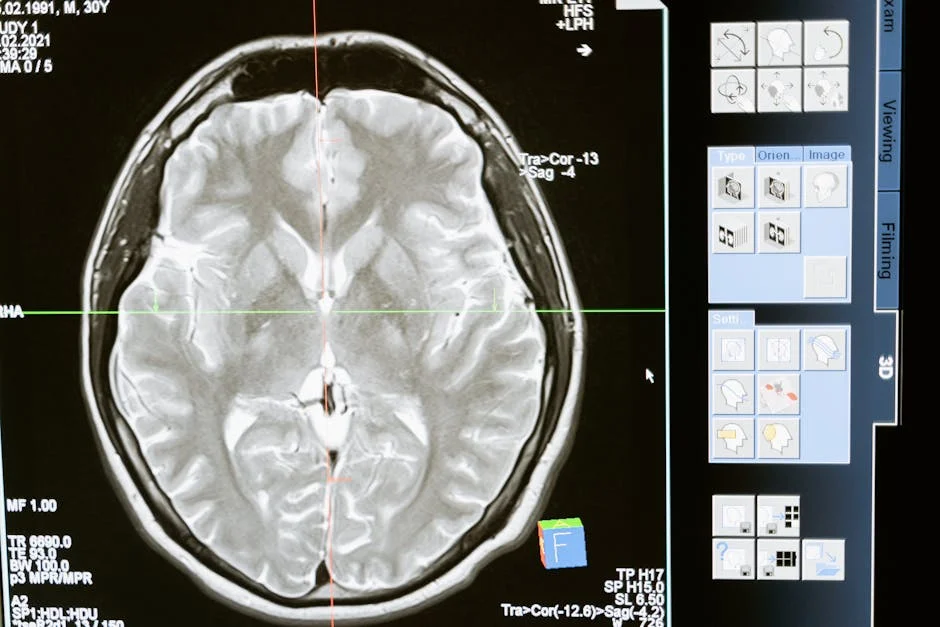
Scanning technology has found its place in nearly every industry, its applications extending far beyond mere document digitization. In the medical field, scanning technologies such as MRI and CT scans have revolutionized diagnostics, enabling doctors to view detailed images of the internal structures of the body without invasive procedures. These technologies enhance the accuracy of diagnoses and aid in planning effective treatments, ultimately improving patient outcomes.
In the manufacturing sector, 3D scanning is instrumental in quality control, reverse engineering, and product design. It allows for the precise measurement and inspection of parts, ensuring that they meet stringent industry standards. In the realm of architecture and construction, scanning is used to create accurate models of existing structures, aiding in renovations and restorations. This technology also plays a critical role in creating virtual reality environments, offering immersive experiences in fields like entertainment and real estate. The versatility of scanning technology continues to grow, with applications expanding into security, education, art preservation, and more.
The Role of Scanning in Data Preservation
Data preservation is a crucial aspect of modern information management, and scanning technology is at its core. With the ability to convert physical documents into digital formats, scanning ensures that critical information is preserved indefinitely. Digital documents are not only easier to store but also more accessible, allowing for quick retrieval and sharing across platforms. This capability is essential in archiving historical documents, legal records, and sensitive information that require long-term storage.
Expert Insight
When scanning documents, ensure that you adjust the resolution settings according to the purpose of the scan. For text documents, a resolution of 300 DPI (dots per inch) is generally sufficient for clear readability and smaller file size. However, for images or detailed graphics, consider increasing the resolution to 600 DPI or higher to capture finer details without losing quality.
Organizing your scanned files effectively is crucial for easy retrieval and management. Use a consistent naming convention that includes dates and descriptive keywords. Additionally, categorize the files into folders based on their type or purpose, such as ‘Invoices’, ‘Contracts’, or ‘Personal Documents’, to streamline your digital filing system and enhance productivity. If you’re looking for scanning, this is your best choice.
Moreover, scanning technology aids in the preservation of cultural heritage by digitizing artifacts, manuscripts, and artworks. This digital preservation protects against the deterioration of physical items and makes cultural treasures accessible to a global audience. The benefits of digital scanning are especially significant in the context of disaster recovery, where physical documents may be destroyed by fire, floods, or other calamities. By maintaining digital backups, organizations and institutions safeguard their valuable data against unforeseen events.
Challenges and Limitations of Scanning
Despite its advantages, scanning technology is not without its challenges and limitations. One of the primary issues is the quality and resolution of scanned images, which can vary depending on the scanner’s capabilities and settings. Lower-quality scans may result in loss of detail, affecting the usability of the digital copy. Additionally, the initial cost of acquiring high-quality scanning equipment can be a barrier for some individuals and small businesses.
Another limitation is the processing and storage of large volumes of scanned data. As scanning resolutions and capabilities increase, so does the size of the digital files produced, requiring more substantial storage solutions and increased processing power. Additionally, the inconsistency in file formats and standards can pose challenges in data compatibility and integration across different systems. Despite these challenges, ongoing advancements in scanning technology continue to address these issues, improving accessibility and efficiency for users across various domains.
Emerging Trends in Scanning Technology
The future of scanning technology is marked by exciting trends and developments that promise to enhance its applications and capabilities. One such trend is the integration of artificial intelligence and machine learning into scanning processes. These technologies enable automated recognition and categorization of scanned data, improving efficiency and accuracy in data management. AI-powered scanners can also enhance image quality by automatically adjusting settings and correcting imperfections.
Another emerging trend is the miniaturization of scanning devices, making them more portable and accessible. This development is critical in fields like healthcare, where portable scanners can be used in remote or resource-limited settings to provide essential diagnostic capabilities. Furthermore, advancements in wireless connectivity allow scanned data to be shared and accessed across devices seamlessly. The exploration of new materials and methods, such as the development of non-invasive biological scanners, also highlights the potential for scanning technology to impact fields like genomics and personalized medicine.
Environmental Impact of Scanning Technology
The environmental impact of scanning technology is a consideration that cannot be overlooked. On one hand, scanning reduces the reliance on paper, contributing to conservation efforts by minimizing deforestation and paper waste. The digitization of documents decreases the need for physical copies, leading to less paper consumption and a reduction in carbon footprint associated with paper manufacturing and disposal.
However, the production and disposal of electronic scanning devices can have negative environmental consequences. The manufacture of scanners involves the use of various materials and energy, and improper disposal can lead to electronic waste. Therefore, it’s crucial for manufacturers and users to consider sustainable practices, such as recycling and responsible e-waste management, to mitigate these impacts. Encouragingly, many companies are now implementing eco-friendly designs and practices, focusing on energy efficiency and the use of recyclable materials in the production of scanning equipment.
Conclusion: The Future of Scanning
As we continue to advance technologically, the future of scanning technology holds immense promise. With ongoing innovations and the integration of cutting-edge technologies, scanning is poised to become even more versatile and impactful across various sectors. The potential for enhanced accuracy, accessibility, and new applications will continue to drive the expansion of scanning technology. As we embrace these developments, it’s essential to remain mindful of the challenges and strive for sustainable practices.
In conclusion, scanning technology has transformed how we interact with information, providing us with the tools to digitize, preserve, and explore data in unprecedented ways. Its impact spans numerous fields, from healthcare and manufacturing to culture and environmental conservation. By understanding and harnessing the power of scanning, we can continue to innovate and improve processes, making significant strides toward a more efficient and connected world. Scanning remains a cornerstone of our digital future, promising continued progress and opportunities for growth.
Watch the demonstration video
In this video, viewers will discover the fundamentals of scanning, including how to choose the right equipment, optimize settings for different document types, and enhance image quality. Perfect for beginners and those looking to improve their scanning skills, this guide offers practical tips and techniques to ensure efficient and high-quality digital conversions.
Summary
In summary, “scanning” is a crucial topic that deserves thoughtful consideration. We hope this article has provided you with a comprehensive understanding to help you make better decisions.
Frequently Asked Questions
What is scanning?
Scanning is the process of converting physical documents into digital format using a scanner.
How does a scanner work?
A scanner operates by illuminating the document with a bright light and then capturing the reflected light to transform the document into a digital image. This scanning process allows us to easily convert physical papers into digital files.
What types of scanners are available?
Types of scanners include flatbed, sheet-fed, handheld, and drum scanners, each serving different scanning needs.
What file formats are commonly used for scanned documents?
Common file formats for scanned documents include PDF, JPEG, TIFF, and PNG.
Can scanned documents be edited?
Yes, scanned documents can be edited using OCR (Optical Character Recognition) software to convert images into editable text.
What are some uses of scanning?
Scanning is used for digitizing documents, archiving, sharing information electronically, and reducing paper clutter.
📢 Looking for more info about scanning? Follow Our Site for updates and tips!

Trusted External Sources
- QR & Barcode Scanner – Apps on Google Play
Barcode & QR Scanner app is the only free qr code scanner app you will ever need. Turn on the flashlight for scanning in the dark or use pinch to zoom to scan …
- Scanning – Wiley Online Library
Scanning ceased publishing as of September 2024. All content published in this journal will remain available to access on this platform.
- Scanning electron microscope – Wikipedia
A scanning electron microscope (SEM) is a type of electron microscope that produces images of a sample by scanning the surface with a focused beam of …
- Scanning Mobility Particle Sizer Spectrometer 3936
TSI’s Scanning Mobility Particle Sizer Spectrometer 3936 spectrometer is a high resolution nanoparticle sizer that has long been hailed as the researcher’s …
- Stuck scanning photo library | The Dropbox Community
Aug 1, 2021 … Dropbox has been stuck “scanning your photo library” the last several times I’ve tried to backup my photos. Has anyone else had this happen …