
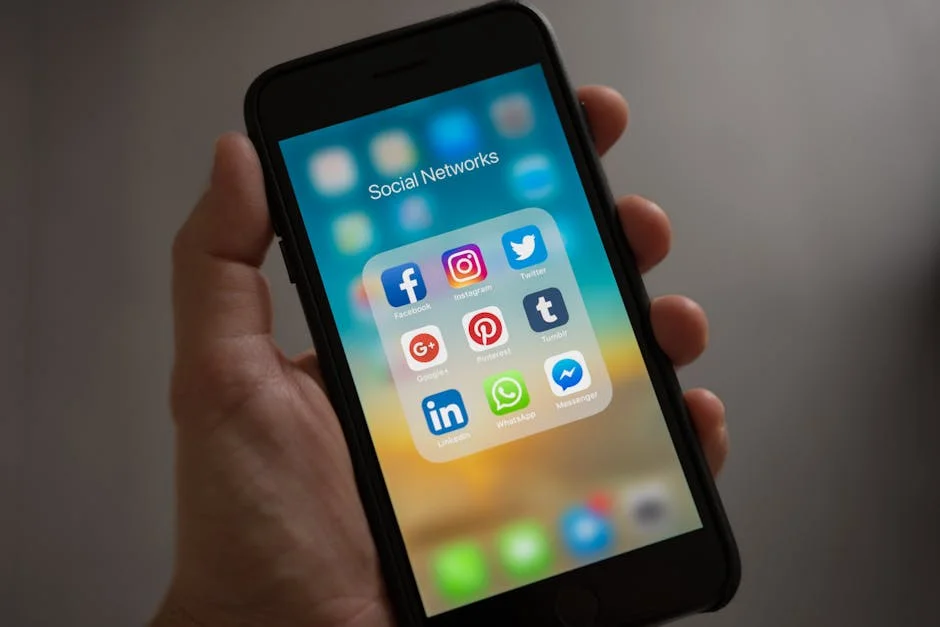
Social media has transformed the way people interact and communicate over the past few decades. Initially, platforms like bulletin boards and IRC (Internet Relay Chat) were popular, where users could exchange messages and share information in real-time. As technology advanced, the concept of social networking began to evolve, allowing individuals to create profiles and connect with others in a more personalized manner. The launch of sites such as Friendster and MySpace marked the beginning of this new era, providing users with the ability to share music, photos, and personal updates.
Table of Contents
- My Personal Experience
- The Evolution of Social Media
- Impact of Social Media on Society
- The Role of Social Media in Marketing
- Privacy Concerns and Social Media
- Social Media and Mental Health
- Social Media and Politics
- Expert Insight
- Technological Advancements and Future Trends
- Social Media for Education and Learning
- Challenges Facing Social Media Platforms
- The Future of Social Media
- Watch the demonstration video
- Frequently Asked Questions
- Trusted External Sources
My Personal Experience
A few years ago, I decided to take a break from social media, and it turned out to be one of the best decisions I’ve made. Initially, I felt disconnected and anxious, worried I was missing out on important updates from friends and family. However, as the days turned into weeks, I noticed a significant change in my mental well-being. I felt less stressed and had more time to focus on hobbies I had neglected, like reading and painting. Without the constant barrage of notifications, I was more present in my day-to-day life and found myself reaching out to people in more meaningful ways, like phone calls and in-person meetups. This experience taught me the importance of balance and intentionality when it comes to social media, and while I’m back online now, I engage with it much more mindfully.
The Evolution of Social Media
Social media has transformed the way people interact and communicate over the past few decades. Initially, platforms like bulletin boards and IRC (Internet Relay Chat) were popular, where users could exchange messages and share information in real-time. As technology advanced, the concept of social networking began to evolve, allowing individuals to create profiles and connect with others in a more personalized manner. The launch of sites such as Friendster and MySpace marked the beginning of this new era, providing users with the ability to share music, photos, and personal updates.

With the introduction of Facebook in 2004, social media became more mainstream, offering a platform for connection and engagement on a global scale. This new wave of digital interaction started to shape how people express themselves, conduct business, and gather information. Other platforms like Twitter and LinkedIn soon followed, each catering to specific user needs, such as microblogging and professional networking. The rapid evolution of social media has also seen the rise of visual-centric platforms like Instagram and TikTok, where multimedia content reigns supreme. These platforms have fundamentally altered user expectations, making immediacy and visual storytelling key components of online communication.
Impact of Social Media on Society
The impact that social media has on society is multifaceted and far-reaching. It has facilitated the democratization of information, allowing people to share news and updates instantaneously, often bypassing traditional media outlets. This shift has empowered individuals to become content creators, generating a diverse array of viewpoints and narratives. At the same time, it has raised concerns about the spread of misinformation and the potential for echo chambers, where users are exposed only to content that reinforces their existing beliefs.
Social media has also played a pivotal role in social movements and activism, providing a platform for voices that might otherwise be marginalized. Movements like #BlackLivesMatter and #MeToo gained momentum through social media, harnessing the power of collective action to effect change. However, with the benefits of connectivity also come challenges, including privacy concerns and the potential for cyberbullying. The dual nature of social media’s impact on society highlights the need for users to be vigilant and discerning in their online interactions.
The Role of Social Media in Marketing
In the realm of marketing, social media has become an indispensable tool for businesses of all sizes. Brands use these platforms to reach a broad audience, engage with consumers, and enhance their visibility. Social media marketing allows for precise targeting, enabling companies to tailor their messages based on user demographics, interests, and behaviors. This highly personalized approach not only increases the likelihood of engagement but also fosters brand loyalty.
The interactive nature of social media enables brands to receive immediate feedback from their audience, facilitating a two-way communication channel that can enhance customer service and satisfaction. Additionally, influential users or ‘influencers’ play a significant role in shaping consumer perceptions, often partnering with brands to promote products and services. The rise of influencer marketing has further blurred the lines between traditional advertising and personal endorsements, making authenticity and transparency crucial components of successful social media campaigns.
Privacy Concerns and Social Media
With the widespread use of social media, privacy concerns have become a significant issue. Users often share personal information without fully considering the implications, raising questions about data security and consent. Social media platforms have access to vast amounts of user data, which they often utilize for targeted advertising. While this can enhance user experience by delivering relevant content, it also poses risks related to data breaches and unauthorized access.
As awareness of these risks has grown, there has been increased scrutiny over how social media companies handle user data. Regulatory frameworks like the General Data Protection Regulation (GDPR) in Europe aim to protect user privacy and grant individuals greater control over their personal information. Despite these efforts, users must remain proactive in managing their online presence, exercising caution about what they share and understanding the privacy settings available on each platform.
Social Media and Mental Health
The relationship between social media and mental health is a topic of ongoing research and debate. On one hand, social media can enhance well-being by fostering connections, providing support networks, and offering platforms for self-expression. Individuals can find communities that share similar interests or experiences, which can be particularly beneficial for those who might feel isolated in their offline lives.
Conversely, social media can also contribute to negative mental health outcomes, such as anxiety, depression, and low self-esteem. The pressure to present a curated, idealized version of oneself can lead to feelings of inadequacy and comparison. Additionally, the constant connectivity and the fear of missing out (FOMO) can exacerbate stress and reduce life satisfaction. To mitigate these effects, users are encouraged to engage in mindful consumption, setting boundaries on their social media use and focusing on genuine interactions rather than superficial engagements.
Social Media and Politics
The intersection of social media and politics has significantly altered the landscape of political communication and public engagement. Politicians and political parties use social media to reach constituents, communicate their platforms, and mobilize voters. These platforms allow for direct interaction with the public, bypassing traditional media filters and enabling more personalized communication.
| Feature | |||
|---|---|---|---|
| User Base | 2.8 billion | 1 billion | 330 million |
| Content Type | Mixed (text, images, videos) | Images, videos | Text (280 characters), images, videos |
| Primary Use | Networking, news | Visual storytelling | News, discussions |
Expert Insight
To effectively leverage social media for your brand, focus on consistency and engagement. Create a content calendar to plan your posts and stick to a regular posting schedule. This not only helps in maintaining a steady presence but also keeps your audience engaged. Use analytics to determine the best times to post and adjust your schedule accordingly to maximize reach and interaction.
Another key strategy is to actively engage with your audience. Respond to comments, participate in conversations, and show appreciation for user-generated content. This builds a sense of community and fosters loyalty among your followers. Additionally, consider collaborating with influencers or other brands to expand your reach and tap into new audiences. Engagement is a two-way street; the more you interact, the stronger your social media presence will become.
However, the use of social media in politics is not without controversy. The spread of fake news and misinformation can influence public opinion and electoral outcomes, undermining the democratic process. Additionally, social media algorithms that prioritize sensational content can exacerbate political polarization by reinforcing existing biases. As the political landscape continues to evolve, there is ongoing debate about the role of social media in shaping political discourse and the responsibilities of platforms to ensure fair and transparent communication.
Technological Advancements and Future Trends
The rapid pace of technological advancement continues to shape the future of social media. Innovations such as artificial intelligence and machine learning are transforming how content is curated and consumed, with algorithms becoming increasingly sophisticated in predicting user preferences. These technologies are also enhancing capabilities for automated content moderation, aiming to create safer and more inclusive online environments.
Looking ahead, the integration of virtual reality (VR) and augmented reality (AR) is expected to redefine social media experiences, offering immersive environments for interaction and engagement. These advancements could revolutionize how users connect, collaborate, and consume content, making social media an even more integral part of everyday life. As these technologies develop, there will likely be new challenges and opportunities related to user privacy, data security, and ethical considerations.
Social Media for Education and Learning
Social media has emerged as a powerful tool for education and learning, providing students and educators with a platform for collaboration and knowledge sharing. Educational institutions use social media to disseminate information, engage with students, and create virtual learning communities. These platforms facilitate access to a wealth of resources, allowing learners to explore topics of interest and connect with experts in various fields.
Moreover, social media supports innovative teaching methods, such as flipped classrooms and peer-to-peer learning, where students actively participate in the educational process. Online discussions, webinars, and live streaming of lectures enable real-time interaction and feedback, enhancing the learning experience. However, the use of social media in education also raises challenges, including ensuring digital literacy, maintaining academic integrity, and addressing disparities in access to technology.
Challenges Facing Social Media Platforms
As social media platforms continue to evolve, they face a host of challenges that affect both users and the companies that run them. One significant issue is content moderation, requiring platforms to balance freedom of expression with the need to prevent harm and ensure safety. This task is complex, given the diverse and global nature of social media users, and often requires sophisticated algorithms combined with human oversight.
Another challenge is maintaining user trust, especially concerning data privacy and security. High-profile data breaches and scandals have heightened user awareness and skepticism, prompting calls for greater transparency and accountability. Additionally, the rapid pace of technological change means that platforms must continuously adapt to new trends and user expectations, often investing in research and development to remain competitive. Navigating these challenges while fostering innovation and growth is a delicate balancing act for social media companies.
The Future of Social Media
The future of social media is poised for remarkable transformation as emerging technologies and changing user behaviors continue to shape the digital landscape. Social media platforms are likely to become more integrated into daily life, offering enhanced functionalities and more personalized experiences. With the advent of technologies such as blockchain, decentralized social networks may gain traction, offering users greater control over their data and online identities.
The evolution of social media is also expected to impact various sectors, from commerce and entertainment to politics and education. As platforms diversify their offerings, they will likely encompass more aspects of digital life, creating an interconnected ecosystem that bridges the gap between physical and virtual realities. The ongoing evolution of social media will present new challenges and opportunities, requiring users and platforms alike to adapt to this dynamic environment. The enduring influence of social media underscores its role as a transformative force, shaping how individuals connect, communicate, and create in the digital age.
Watch the demonstration video
In this video, discover the transformative impact of social media on communication, business, and culture. Learn how platforms connect people globally, influence trends, and drive marketing strategies. Uncover tips for leveraging social media effectively, understanding its algorithms, and navigating its challenges to enhance your digital presence and engagement.
Summary
In summary, “social media” is a crucial topic that deserves thoughtful consideration. We hope this article has provided you with a comprehensive understanding to help you make better decisions.
Frequently Asked Questions
What is social media?
Social media refers to online platforms and apps that enable users to create, share, and interact with content and each other.
How does social media impact mental health?
Social media can affect mental health positively by fostering community and negatively by contributing to anxiety and depression.
What are the most popular social media platforms?
The most popular platforms include Facebook, Instagram, Twitter, LinkedIn, TikTok, and Snapchat.
How can businesses benefit from social media?
Businesses can use social media for marketing, brand awareness, customer engagement, and lead generation.
How can I protect my privacy on social media?
To protect privacy, adjust privacy settings, be mindful of sharing personal information, and use strong passwords.
What are the dangers of social media?
Dangers include cyberbullying, misinformation, privacy invasion, and addiction.
📢 Looking for more info about social media? Follow Our Site for updates and tips!

Trusted External Sources
- Social media – Wikipedia
Social media are new media technologies that facilitate the creation, sharing and aggregation of content (such as ideas, interests, and other forms of …
- Social Media Examiner: Your Guide to the Marketing Jungle
Get original marketing insights and industry news delivered to you! For everyone who’s ready to improve their marketing.
- Social media | Definition, History, Examples, & Facts | Britannica
4 days ago … Social media, a form of mass media communications on the Internet (such as on websites for social networking and microblogging) through which users share …
- Social media – statistics & facts | Statista
In 2023, 4.89 billion people around the world were using social media, and the number of users is projected to continue rising to almost six billion by 2027.
- Social Media: Definition, Importance, Top Websites, and Apps
Social media refers to online platforms where users can share information and connect with virtual communities through text, video, photos, and other content.